


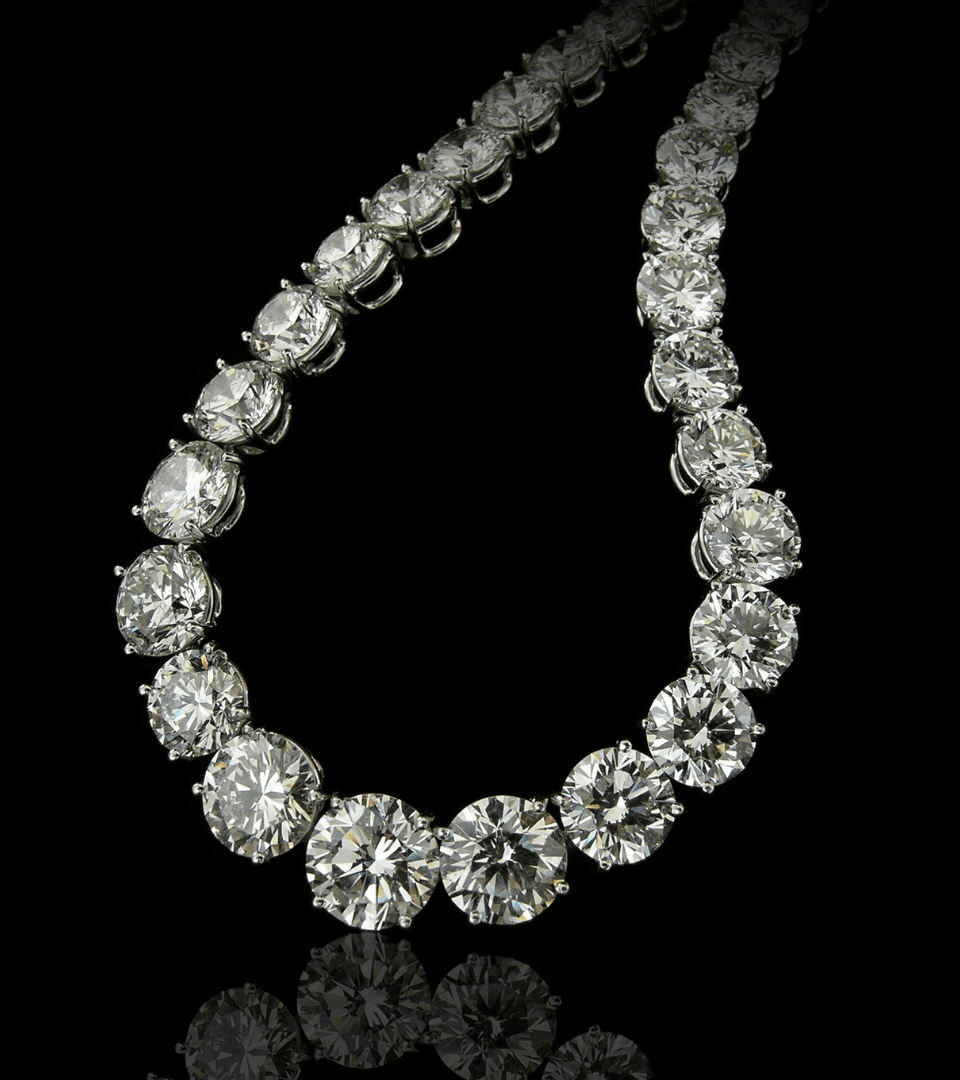
Ever wondered what goes into that sparkling rock on your finger? Let’s be honest… not all diamonds are created equal. Some have a dark past, and some are straight-up modern miracles. Today, we’re diving into the world of blood diamonds and lab grown diamonds—yes, those terms get tossed around a lot, but what is a blood diamond?
Table of Contents
A Dark Past: The Story Behind Blood Diamonds
Think about it: when was the last time a piece of jewelry actually told a story? Blood diamonds, also called conflict diamonds, are stones mined in war zones and sold to fund armed conflict. Harsh, right? But it’s true. Places like Sierra Leone and Angola have faced devastating violence tied directly to diamond mining. Families displaced, communities shattered, lives lost—all for a shiny rock.
Honestly, it makes you pause the next time someone brags about a “vintage diamond,” right? Even if you didn’t know the story behind the diamond, chances are, someone suffered for it. Crazy to think about, but that’s the reality.
Now, contrast that with lab grown diamonds. These are made in controlled labs using cutting-edge tech. Same sparkle, same chemical makeup, none of the tragedy. You might be surprised just how convincing they are—even jewelers sometimes have a hard time telling the difference.
Choosing Your Diamond: Trends and Tips
Alright, so you’re ready to buy a diamond. How do you pick without feeling guilty? Here’s a friendly breakdown:
-
Blood Diamonds (the risky ones)
- Pros: Can have a story, sometimes cheaper, traditional feel.
- Cons: Ethical concerns, potential for funding conflict, unclear origins.
-
Lab Grown Diamonds (the modern choice)
- Pros: Ethically clean, environmentally friendlier, often cheaper for the same size and clarity.
- Cons: Some people still prefer “natural” diamonds, resale value might differ.
Let’s face it, lab grown diamonds aren’t just a trend—they’re changing the game. Imagine picking a diamond knowing no one got hurt to make it. Feels good, right?
Some people even mix and match. For example, a couple might choose a lab grown center stone but go vintage with the setting. Combines old charm with new ethics. Win-win.
Why This Matters Locally
If you’re buying diamonds in a city like Hong Kong, London, or New York, you’ve got options galore. But here’s the kicker: lab grown diamonds are becoming super accessible. You don’t have to fly to some far-off lab or deal with sketchy dealers. Local jewelers now stock them, and many even customize rings right on the spot.
Compare that to the past. Remember when blood diamonds were in the news constantly? It made every diamond purchase feel… tense. Now? You can literally walk into a store, see the sparkle, ask about origins, and breathe easy. It’s a small shift, but it makes a huge difference.
Plus, let’s be honest—supporting local businesses that stock lab grown diamonds feels good. You’re keeping the money in your community and avoiding shady practices overseas.
How Lab Grown Diamonds Work (and Why It’s Cool)
Okay, here’s where the tech nerd in me gets excited. Lab grown diamonds start with a tiny carbon seed. Then one of two main processes happens:
-
High Pressure, High Temperature (HPHT)
-
Carbon is put under insane pressure and heat—basically recreating what happens deep in the Earth.
-
-
Chemical Vapor Deposition (CVD)
-
A carbon gas coats the seed layer by layer. Think of it like 3D printing a diamond atom by atom.
-
Both methods produce a diamond that’s chemically and physically identical to a mined stone. Seriously. If someone handed it to you in a blind test, good luck telling which is which.
The best part? You can tweak things. Want a slightly warmer color? Slightly bigger size without breaking the bank? Lab grown diamonds can do that. That’s why people are loving them. It’s like customizing your dream car—but for your finger.
Wrapping It Up
At the end of the day, whether you choose a traditional diamond or a lab grown one, it’s about more than just sparkle. Blood diamonds carry stories we can’t ignore, while lab grown diamonds offer a guilt-free shine and modern flexibility.
So next time someone asks about your ring, you can honestly say, “Yes, it’s gorgeous—and nobody got hurt for it.” That’s worth a little extra thought, isn’t it?