Ever stared at a sparkling diamond and thought, “Okay… but how do I even know if this is good?” Yeah, you’re not alone. Let’s be honest—diamonds can feel like a secret language. Carat, clarity, cut, color… it’s a lot. That’s where a diamond 4C chart comes in handy. Think of it like a cheat sheet that tells you what’s really going on inside that glittery rock.
And just when you think you’ve got it, someone drops “man-made diamonds” into the conversation. Wait, what? Diamonds you can literally grow in a lab? Yep. Mind blown. But don’t worry. I’m here to walk you through all the sparkle, science, and choices without making it feel like a geology lecture.
Table of Contents
Diamonds 101: More Than Just Bling
Picture this: you’re at a jeweller, and a diamond catches your eye. Your heart races, your brain screams “Buy it!”… but then reality sets in. You have no clue whether you’re looking at something that’s actually worth the price.
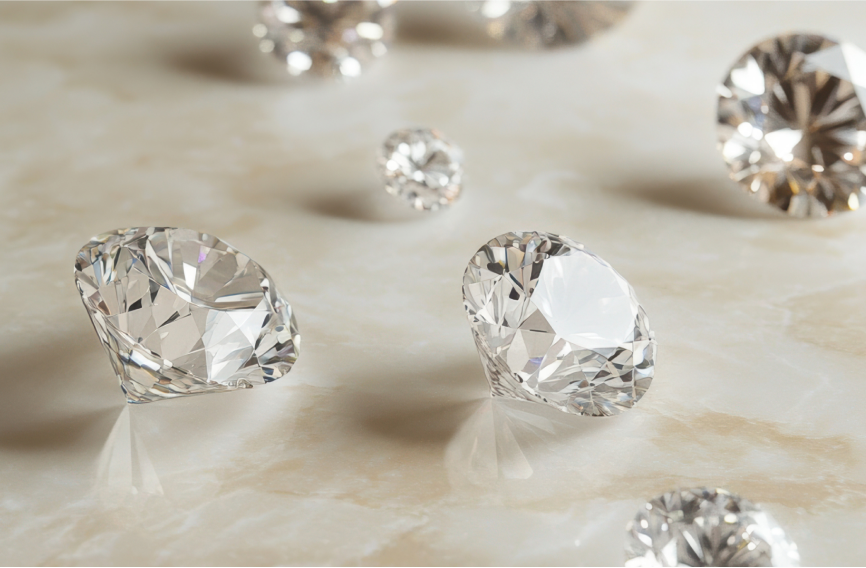
Here’s the scoop: diamonds have a “personality” of sorts, and the diamond 4C chart helps you decode it. Carat measures weight. Cut is about how it bounces light (hello, sparkle!). Color is graded from D to Z, with D being practically invisible—basically ghost-level perfection. And clarity? That’s all about tiny inclusions or “imperfections.”
Now, let’s sprinkle a little opinion in here. Honestly, clarity and color are important, sure—but cut often steals the show. A smaller diamond with a killer cut can outshine a larger, “perfect” stone. Go figure.
And yes, the story gets juicier with man made diamonds. These aren’t some cheap knockoff—they’re chemically identical to mined ones. To the naked eye? You can’t tell. Some people even argue they sparkle more because they’re made with precision. Personally? I find that kind of fascinating.
Options, Trends, and the Little Things That Matter
So, you’re probably asking: what’s out there? Let’s break it down.
1. Natural Diamonds
Classic. Timeless. The OG. They carry that romantic “formed over billions of years” vibe. But they’re pricier, obviously. And mining ethics? Something to check if that matters to you.
2. Man-Made Diamonds
Modern marvels. Grown in labs, they’re environmentally friendlier and often more affordable. And here’s a fun nugget: some jewelers even offer custom cuts you won’t find in nature. Trend alert: millennials and Gen Z are leaning toward these because they mix conscience with style.
3. Mixing It Up
Who says you can’t have both? Imagine a natural diamond center stone with man-made side stones. It’s like getting the best of both worlds. A little edgy, a little thoughtful.
4. Using the Diamond 4C Chart Like a Pro
- Step 1: Check carat against your budget. Bigger isn’t always better.
- Step 2: Focus on cut first. Sparkle > size, trust me.
- Step 3: Clarity is subjective. Some tiny inclusions can be invisible to the naked eye.
- Step 4: Color? Unless you’re a perfectionist, go a couple of grades down. You’ll save cash without losing much sparkle.
Honestly, knowing a bit about the 4Cs makes shopping way less intimidating. And it’s kinda fun.
Why Local Choices Matter
Now, if you’re shopping somewhere like Hong Kong—or really any jewelry hub—the game changes a bit. The local jewelers often have access to both natural and man-made diamonds. Plus, customization options here are next-level.
Think about it: you could walk into a shop and literally design a ring on the spot, tweaking every little detail while sipping your coffee. Compare that to browsing a generic chain store in your hometown—yeah, not quite the same vibe.
And here’s a subtle perk: local jewelers sometimes source stones differently, meaning you can ask questions about ethical sourcing, lab-grown certifications, or unique cuts without sounding like a total noob.
How It Works: Picking Your Diamond
Alright, let’s make this simple. Here’s a casual walkthrough of how you actually pick a diamond, whether man-made or mined.
- Know Your Budget – Sounds boring, but it saves heartbreak. Decide what you’re comfortable spending before you get starry-eyed.
- Check the 4Cs – Literally pull out your diamond 4C chart. Compare notes. Take photos. Send them to friends if you need a sanity check.
- Feel the Sparkle – Hold it, tilt it, see how it plays with light. Don’t just trust numbers.
- Ask About Origin – Natural or lab-grown? Ethical sourcing? It matters to a lot of folks, and it should matter to you too.
- Visualize the Ring – Try different settings. Metal colors. Styles. Sometimes the diamond itself isn’t enough—it’s the combo that makes it sing.
- Make a Decision – Yeah, it’s nerve-wracking, but trust your instincts. If it makes your heart skip a beat, it’s probably the one.
And remember: there’s no shame in taking your time. Diamonds aren’t going anywhere.
Wrapping It Up
So, here’s the bottom line. Whether you’re eyeing a sparkling natural diamond or a futuristic man-made one, understanding the diamond 4C chart gives you the power to make choices confidently. No one wants buyer’s remorse. Trust me.
At the end of the day, it’s not just about picking the “perfect” stone. It’s about what that stone says about you, your story, and maybe your slightly obsessive love for sparkly things. Because let’s face it… life’s too short to settle for dull jewelry.
So go ahead. Study that chart. Peek at a few man-made diamonds. And enjoy the sparkle without stressing every teeny detail. After all, diamonds are supposed to be fun, not a pop quiz.